
Behind Closed Doors: A Look Inside Violence and Homicide Amongst Pregnant Women of Color
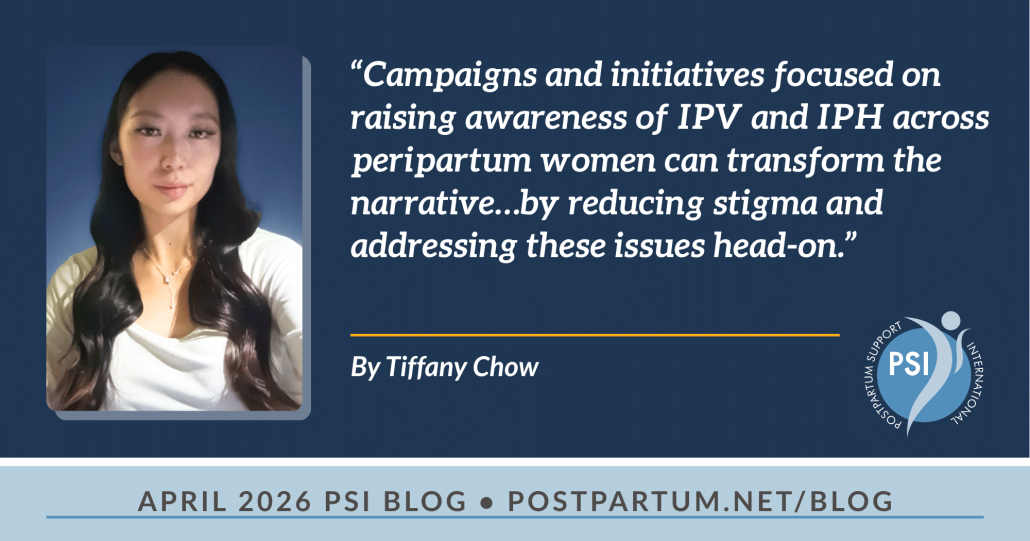
By Tiffany Chow
Every year, intimate partner violence and associated homicides plague many families and communities of women. A subset of this population, peripartum women, which includes expecting women and postpartum within one year of giving birth, suffer a greater risk of experiencing intimate partner violence (IPV), intimate partner homicide (IPH), or both. Additionally, women of color face greater disparities in seeking care and necessary resources, which enhances the risk they face compared to White women.
Alarming Rate of Increased Peripartum Homicides Across the U.S.
IPV and pregnancy-associated homicides have severely impacted lives, and are continuing to do so at an alarming rate every year. Between the years 2018 to 2022, IPV accounted for 51% of pregnancy-associated homicides (Bright et al. 2025). Many women silently suffer in their relationships and pregnancies, shut away from the world behind closed doors. In a study comparing the homicide rate in 2020 to 2018 and 2019, “the risk of homicide was 35% greater for pregnant and postpartum women than for their nonpregnant, nonpostpartum counterparts, who did not experience as large an increase from previous years” (Wallace 2022). This statistic emphasizes the harsh realities that some communities of women are experiencing. Since the onset of the COVID-19 pandemic, earlier studies have shown “1 in 10 reporting new or increased severity of abuse” (Wallace 2022).
Racial disparities are extremely prevalent amongst the trends in pregnancy-associated homicides. In communities of color, “there is up to a 2.2-fold higher rate of homicide in peripartum (currently pregnant or 1-year postpartum) females, with higher rates of peripartum homicide in non-Hispanic Black females and unmarried pregnant females” (Keegan et al. 2024). An almost two-fold increase signifies a very dire need for change.
How Intimate Partner Violence Impacts Pregnant Women
Many factors impact how IPV is perceived. Similar to pregnancy, IPV is unique for those who experience it. Yet, many of these factors that are present in our everyday lives become a part of the chaos, meshed in the overarching theme of violence. As a result, the silence continues to grow, including the rising stigma against women who face intimate partner violence and are pregnant, or have given birth.
In the U.S. alone, gun violence and the possession of firearms is a controversial issue, but one that is continuously talked about. Lives are lost to gun violence each year, and “firearms account for a significant proportion of homicides in the US…[where] 80% of peripartum homicides recorded in the 2020 CDC Provisional Mortality data involved firearms” (Keegan et al. 2024). Breaking it down even further, the high percentage being attributed to peripartum women highlight these factors, such as access to reproductive care, an increased need for resources and support, as well as those that are a direct result of pregnancy and its effects on the mind and body. In a study that focused on understanding the impact of IPH across different racial groups, results showed that “states categorized as being restrictive to abortion access had a 75% higher rate of peripartum homicide” (Keegan et al. 2024). Aside from personal beliefs and controversies surrounding abortion, the correlation with increased homicidal risk speaks to the consequential effect of limited reproductive care and resources for women. With so many confounding factors that can transform outcomes of IPV and IPH, the striking similarity that they all share is their influence on homicide risk associated with pregnant and postpartum women.
The Importance of Intervention
The accessibility of resources for women who have experienced IPV is crucial in lowering the rates of IPH. These resources can address the source of IPV and provide areas of support that aim to reduce its prevalence. They can be implemented in routine screenings or even parenting classes to raise awareness of such resources that are available. With subtle introductions to these resources, many women who are currently experiencing IPV can feel comfortable seeking them out.
For women who are expecting or postpartum, the effects of IPV are extremely prevalent. Such effects include depression during pregnancy, substance use, and impacted births (Steele-Baser et al. 2024). Campaigns and initiatives focused on raising awareness of IPV and IPH across peripartum women can transform the narrative of the statistics described above. By reducing stigma and addressing these issues head-on, awareness can be multifaceted and spread across a variety of settings, including healthcare, community meetings, and policy efforts regarding firearm regulations, access to reproductive care, re-investigating limitations on abortion, and incorporating safety planning.
The widespread rates of peripartum homicides due to IPV, especially in communities of color, are a call for action. Educational awareness and possible solutions can transform the action towards helping peripartum women. Pregnancy is a delicate process for many women, providing newfound experiences and perspectives on becoming a mother and welcoming a new life into the world. However, there are unfortunate circumstances that overshadow this journey for many women, clouded by immense judgment and negativity. By advocating for awareness and support for these women, we become their silenced voices and protect their well-being.
Works Cited
Wallace ME. Trends in Pregnancy-Associated Homicide, United States, 2020. Am J Public Health. 2022 Sep;112(9):1333-1336. doi: 10.2105/AJPH.2022.306937. Epub 2022 Jul 7. PMID: 35797500; PMCID: PMC9382166.
Keegan, Grace BS; Hoofnagle, Mark MD, PhD, FACS; Chor, Julie MD, MPH; Hampton, David MD, FACS; Cone, Jennifer MD, FACS; Khan, Abid MD, FACS; Rowell, Susan MD, MBA, FACS; Plackett, Timothy DO, MPH, FACS; Benjamin, Andrew MD, FACS; Bhardwaj, Neha MD, MS; Rogers, Selwyn O MD, FACS; Zakrison, Tanya L MD, MPH, FACS; Cirone, Justin M MD. State-Level Analysis of Intimate Partner Violence, Abortion Access, and Peripartum Homicide: Call for Screening and Violence Interventions for Pregnant Patients. Journal of the American College of Surgeons 238(5):p 880-888, May 2024. | DOI: 10.1097/XCS.0000000000001019
Bright M, Amendola A, Harris D, Delcher C. Maternal homicide rates among 15 United States. BMC Public Health. 2025 Nov 3;25(1):3742. doi: 10.1186/s12889-025-24818-2. PMID: 41184904; PMCID: PMC12581238.
Steele-Baser M, Brown AL, D’Angelo DV, et al. Intimate Partner Violence and Pregnancy and Infant Health Outcomes — Pregnancy Risk Assessment Monitoring System, Nine U.S. Jurisdictions, 2016–2022. MMWR Morb Mortal Wkly Rep 2024;73:1093–1098. DOI: http://dx.doi.org/10.15585/mmwr.mm7348a1.
About the Author

Tiffany Chow
Tiffany Chow is a 4th-year undergraduate student attending the University of California, Los Angeles. She currently volunteers with 4th Trimester, a nonprofit organization dedicated to supporting postpartum women. Her personal experiences with familial domestic violence and first-hand experience with a misdiagnosis in healthcare have fueled her passion to advocate for and support women. She has aspirations to pursue a career in medicine, where she can work with expectant mothers and their babies.
The views and opinions expressed in this blog are those of the author and do not necessarily reflect the official policy, position, or views of PSI, its leadership, employees, affiliates, or partners. Any content provided by the author is for informational purposes only and should not be construed as representing PSI’s official stance on any matter.
Explore these PSI Resources:
Connect with PSI’s Domestic Violence/IPV Specialized Coordinator
Get Help
Peer Support Groups
Subscribe to the PSI Blog

Connect by PSI
Download our free app “Connect by PSI” in your app store to access PSI support, resources, and information in the palm of your hand.


