
Black Birthing Joy: A Remedy for the Black Maternal Health Crisis
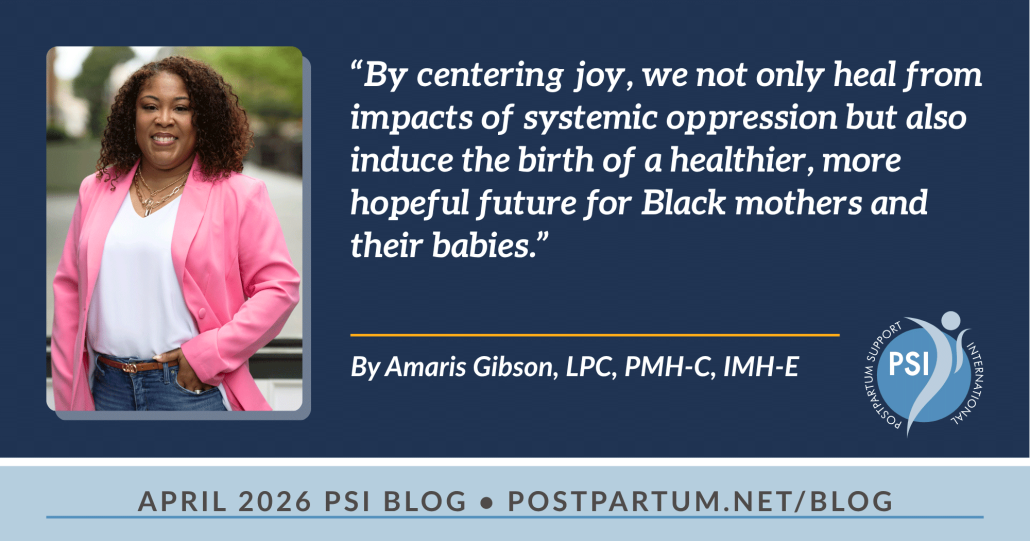
By Amaris Gibson, LPC, PMH-C, IMH-E
Inextinguishable joy is the birthright of Black mothers. Unlike the glaring data of our current Black Maternal Health crisis, Black birth is not just about tragedy, trauma, and incurable outcomes. While most publications often focus on the disparities and poor outcomes of the Black maternal health crisis, this blog seeks to explore how we can collectively reclaim the narrative of Black birthing joy as a radical act of resistance. This is a prophetic announcement that the Black birthing experience can, and should, be one of renewal, legacy, and profound happiness. By centering joy, we not only heal from impacts of systemic oppression but also induce the birth of a healthier, more hopeful future for Black mothers and their babies.
How the Black Maternal Mortality Crisis Has Created Fear and Dread
The journey into parenthood should be a time of immense joy and anticipation. For Black families, however, this experience has been increasingly overshadowed by a grim reality: the Black maternal mortality crisis. This crisis has not only led to tragic outcomes but has also instilled deep fear and dread surrounding pregnancy, birth, and the postpartum period within the Black community.
- At the heart of the Black maternal mortality crisis is systemic racism-ingrained policies, practices, and cultural norms within healthcare that disadvantage Black birthing families.
- Explicit and implicit discrimination impact Black perinatal experiences. Black patients often report feeling unheard, disrespected, and undervalued by healthcare providers.
- Racism and discrimination seeps into Black bodies and impacts Black births. Physiological stress due to repeated exposure to racial violence, injustice, and hearing of Black maternal and infant deaths rates can have direct negative impacts on pregnancy outcomes, including increased risk of preterm birth and other complications.
We Resist the Narrative by Reclaiming Joy
The prevailing narrative surrounding Black maternal health is one of tragedy and despair. While it’s crucial to acknowledge the crisis, it’s equally vital to actively resist this singular narrative and reclaim the rich tapestry of Black birth experiences. Black birth is not inherently tragic; it is a source of power, legacy, and joy. Reclaiming joy means intentionally shifting our focus from fear to empowerment.
- It involves recognizing the strength, resilience, and beauty inherent in Black families and their journey to parenthood.
- It means celebrating the arrival of new life, the continuation of lineage, and the profound love that surrounds Black families. By focusing on and celebrating the positive aspects, we can begin to heal and transform the collective experience.
- It’s about remembering that despite systemic barriers, Black women have always birthed, nurtured, and sustained their communities with immense grace and power. We reflect on the long line of Black mothers before us. Mothers like, Berdis Baldwin [mother of James Baldwin], Alberta King [mother of Dr. Martin Luther King, Jr.], and Louise Little [mother of Malcolm X], and your own grandmothers and mothers, Big Mommas and community giants, who raised leaders and culture-shifters.
How to Use Our Village to Restore Hope, Joy, and Resilience
In the face of systemic challenges, the village becomes a source of strength and a lifeline of joy. Leaning into our village is a powerful way to restore hope, celebration, and resilience throughout the perinatal journey.
- Find care that reflects your culture by seeking out and supporting healthcare providers, doulas, midwives, and birth workers who understand and respect the unique cultural heritage, experiences, and needs of Black families.
- Prioritize mental and emotional well-being by seeking professional help from culturally competent therapists who understand racial trauma and provide tools for coping with stress, anxiety, and depression that could siphon joy.
- Celebrate the rich history of Black birthing practices and ancestral wisdom. But don’t stop there – develop new traditions that center joy, celebration, and community around pregnancy, birth, and postpartum like blessingways, community baby showers, or postpartum care circles.
The Black maternal mortality crisis is a grave injustice, but it does not define the entirety of the Black perinatal experience. By acknowledging the pain while simultaneously and intentionally reclaiming joy, we empower ourselves, heal our communities, and build a legacy of hope and resilience for future generations. The journey of Black parenthood is a testament to enduring strength, profound love, and unwavering joy—a joy that is rightfully ours to celebrate and protect.
A powerful way we advocate for improvements to systems that support Black birth is seizing and maintaining joy. In this month of April, when we honor, educate and celebrate Black Maternal Health Week, let us also consciously and fiercely seize joy. May every pregnancy or birth announcement serve as a reminder – not of what could go wrong, but what has and what will also always have the power to sustain us: joy, unspeakable joy.
About the Author

Amaris Gibson, LPC, PMH-C, IMH-E
Amaris Gibson, LPC, PMH-C, IMH-E, is a licensed professional counselor and advocate in the field of Infant and Early Childhood Mental Health and Perinatal/Maternal Mental Health. She has over a decade of experience serving young children and families in different capacities throughout the state of South Carolina.
She is the founder of Queendom Come Coaching, where she provides relationship-focused individual, couples and family therapy. Amaris is trained in multiple evidenced-based interventions to support parent-child relationships and disrupt intergenerational trauma. As a therapist, trainer, and storyteller, Amaris creates engaging therapeutic learning environments to explore family dynamics and foster relational healing. Her passion for familial and community health drives her to share her belief that relationships can be healing.
Amaris’s most important relationships are with the ones who inspire her to continue this work: her husband, two children and extended family and friends. Connect with Amaris on Facebook: Queendom Come Coaching and Instagram: @queendom_come_coaching.
The views and opinions expressed in this blog are those of the author and do not necessarily reflect the official policy, position, or views of PSI, its leadership, employees, affiliates, or partners. Any content provided by the author is for informational purposes only and should not be construed as representing PSI’s official stance on any matter.
Explore these PSI Resources:
PSI Provider Directory
Get Help
Peer Support Groups (including groups specific to BIPOC and Black moms)
Subscribe to the PSI Blog

Connect by PSI
Download our free app “Connect by PSI” in your app store to access PSI support, resources, and information in the palm of your hand.


