
Daddying and the Importance of Father-Child Involvement

By Allan Shedlin, Founder & President, DADvocacy Consulting Group and Founder & Director, Daddying Film Festival & Forum (D3F)
Pulling A Finger From an Emotional Dike
Notwithstanding stereotypes of men not wanting or able to talk about feelings and emotions, my experience conducting daddying interviews with 205 men (ages 16 to 104 years old, from 20 countries and a broad spectrum of backgrounds and socio-economic status) has been quite the opposite. During interviews that lasted between an hour and 3+ hours, it often felt that these dads, granddads, and even a few great-granddads were pulling their fingers from an emotional dike. Feelings were released in a cascade that sometimes even surprised the men.
Ninety-one percent of the men I’ve interviewed in my daddying research have either cried outright during their interviews or fought off tears as their eyes welled up. And 94 percent of fathers shared that their lives have been positively enriched by their experiences as dads. It is way past time to also acknowledge the reciprocal benefits to men of positive father involvement with their children, no matter what the “children’s” ages.
Fathering vs. Daddying
During my almost three decades studying, working with, and writing about fathers, the cultural attention and academic research dedicated to fatherhood have increased exponentially. In many ways, it has benefited from the rethinking of the roles of mothers and women in general triggered by the Women’s Movement.
I coined the term “daddying” in 1994 to describe the place where fatherhood and nurturing converge. It makes a distinction between the one-time act of fathering and the lifelong process of daddying. Daddying requires active involvement and a lifelong commitment to a child’s physical, emotional, social, intellectual, creative, and moral/spiritual well-being. Daddying roles may also be played by other significant people who play fatherly roles in kids’ lives, including but not limited to granddads, uncles, older brothers, teachers, coaches, and mentors.
I began interviewing men about their experiences as fathers in 1997. All the men I listened to were asked in-depth questions about their experience as dads and with their own fathers. My listening was in-depth, as well.
The original purpose for conducting these in-depth interviews was to learn how men experience their role as parents and share what I had learned to optimize the daddying experience for children and men alike.
The daddying interviews were preceded by three years of conducting 28 daddying focus groups with 162 children and youth from three countries. If I considered daddying a “product,” I might consider daughters and sons “consumers.” And the best way to improve a product is to talk with the consumers of “daddying” – children and youth.
During this more than a quarter century of qualitative research, I’ve learned a great deal and provided an opportunity for the interviewees to think more deeply about their parental role than most had ever thought about it.
Although I continued to hear unique stories and anecdotes, after about halfway through the 205 interviews, I was not really learning anything new about daddying. But what I had discovered was the importance of providing an opportunity for men to share their stories and to discover – perhaps for the first time – how important their role is and how important it is to them.
Essential Daddying Lessons Learned
Overlooking the importance of father-child involvement to fathers deprives the field of a fundamental opportunity to increase motivation for increased father involvement and to expand the view of men as nurturing, sensitive, and vulnerable human beings. Appreciating this aspect of fathers can encourage a rethinking of what it means to be “manly” and thus acknowledge that it is the key to the fuller definition of fatherhood I’ve established as daddying.
At the end of each individual interview, I thank the men for their time and candid sharing. One hundred percent of the time, they respond, “Thank YOU so much for listening.”
Here are the essential daddying “lessons” learned – lessons that are relevant to all parents and grandparents, not just dads.
- Daddying is more than just who you are, it’s something you do!
- Dads matter to kids and kids matter to dads (in their presence and in their absence).
- Daddying and mommying don’t take place in a vacuum. They occur in a dynamic micro-social system known as “family” within a dynamic macro-social system referred to as the broader society.
- Parents have an opportunity to encourage and/or discourage each other’s daddying/mommying.
- There is no such thing as a “perfect” parent, and you don’t need to be perfect to be a successful parent.
- Dads have the power to become the dads they and their children want and need them to be, and it is often not as daunting as one thinks.
- We must do everything we can to provide opportunities for fathers to move from an “understudy” to a co-starring parenting role.
- As you consider the dad or mom YOU most want to be, ask yourself how you want your child to describe you as a parent 5, 10, 15+ years from now.
- The qualities kids most want in their dad are the ones most dads want to cultivate AND that child development experts agree are needed to lead fulfilled and fulfilling lives.
- There is a reciprocity of benefits to dads (and others who serve fatherly roles) and children alike when fathers/father figures and their children are positively involved in each other’s lives.
- Almost all fathers/father figures want to be there for their children.
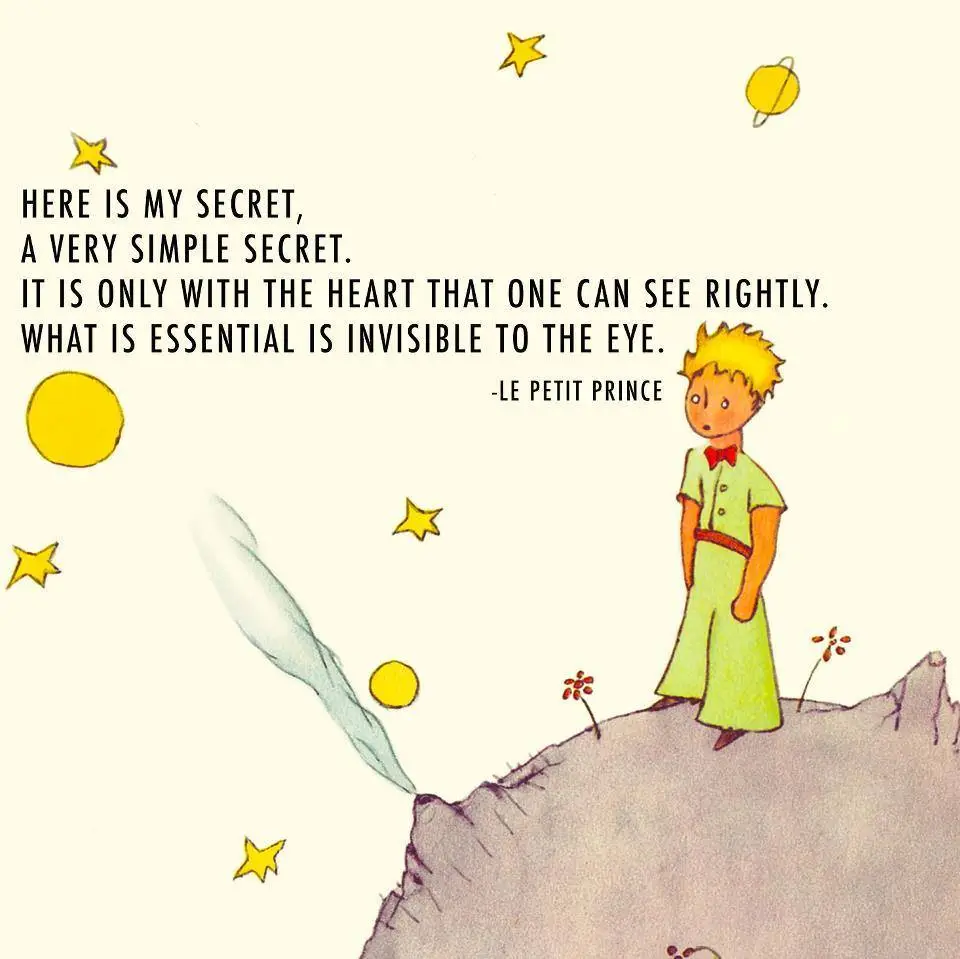
- Daddying is one of life’s rare opportunities to make a direct connection to your heart.
In honor of Fathers’ Day 2026 – which I recommend be renamed “Daddies’ Day” – be aware that if you embrace the opportunity to become a genuinely and exuberantly involved dad, you will never be alone in your heart.
Daddy-up and Daddy on!
The Daddying Film Festival & Forum (D3F)
The 2026 Daddying Film Festival & Forum (D3F) will be January 9-15, 2026 (virtual festival on Eventive), and the live Daddying Film Forum will be in Washington, D.C., January 30-31. D3F’s 2026 Call for Entries begins on Fathers’ Day, June 15, 2025.
About the Author
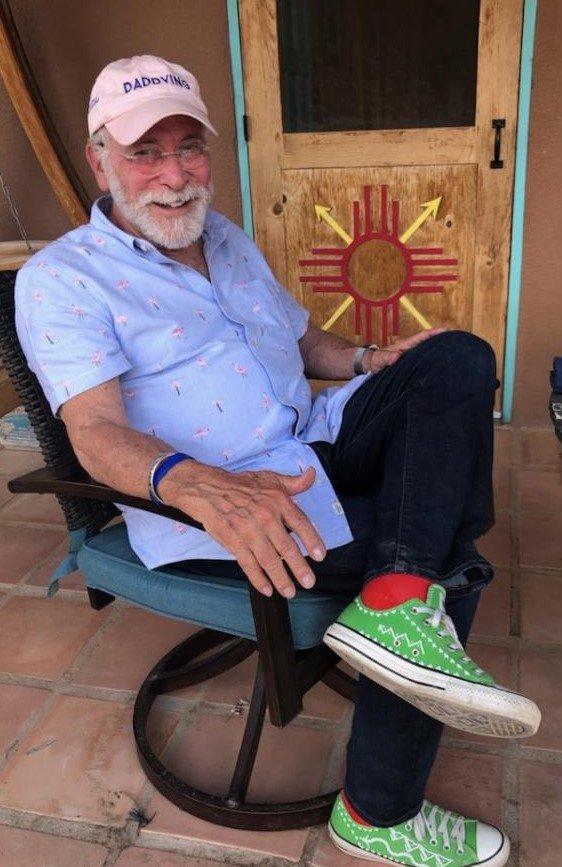
Allan Shedlin
Allan Shedlin has devoted his life’s work to improving the odds for children and families. He has three daughters, five grandchildren, and numerous “bonus” sons, daughters, and grandchildren. Trained as an educator, Allan has alternated between classroom service, school leadership, parenting coaching, policy development, and advising at the local, state, and national levels. After eight years as an elementary school principal, Allan founded and headed the National Elementary School Center. He has written about education and parenting for major news outlets and trade publications, as well as appearing on radio and TV. In 2008, he was the first male honored as a “Living Treasure” by Mothering Magazine and founded REEL Fathers. In 2010, he advised the Obama White House on fathering policy. In 2017, he founded the DADvocacy Consulting Group. In 2018, he launched the DADDY Wishes Fund and Daddy Appleseed Fund. In 2019, he co-created and began co-facilitating the Armor Down/Daddy Up! and Mommy Up! programs for veterans and their children. He has conducted daddying workshops with Native American pueblos, veterans’ groups, penitentiaries, Head Start centers, corporate boardrooms, and elementary schools. In 2022, Allan founded and directed the Daddying Film Festival & Forum (D3F). In 2024, he was named to Who’s Who. In 2025, he was awarded “Father of the Year” by the Coalition for Fathers & Families. Allan earned his elementary and high school diplomas from NYC’s Ethical Culture Schools, BA at Colgate University, MA at Columbia University’s Teachers College, and an ABD at Fordham University. He considers his D-A-D and GRAND D-A-D the most important “degrees” of all.
Allan will participate in a panel at the 2025 PSI Conference in New Orleans, LA, on July 11 titled “Fatherhood through the Years: Perinatal Paternal Mental Health through a Lifespan Development Lens.”
Read more from Allan: What Too Many Dads Don’t Know About Perinatal Depression://capronicoaching.com/
Professional Training: Foundations in Paternal Perinatal Mental Health


