
Postpartum in a Pandemic: The Isolation No One Prepared Us For
By Manyori Pinto, LCSW
At PSI, we understand that storytelling has the power to save lives, and we are honored to provide a space for survivors to share their stories. This article is part of a subsection of the PSI blog dedicated to survivor stories. Please note that this story has not been edited, and caution is advised as distressing themes related to perinatal mental health may be present. If there are specific trigger warnings for an article, they will be listed below. Links to resources can be found at the bottom of this page.
There are generations of mothers who describe postpartum as exhausting, overwhelming, and transformative.
But there is one generation who gave birth in masks.
One generation who labored without their mothers in the room. One generation who brought their babies home to quiet instead of celebration. One generation who watched daily death counts while nursing newborns in the dark.
The COVID-19 pandemic created a form of postpartum isolation that many mothers feel no one truly prepared them for. And for some, the impact is still unfolding.
When Vulnerability Met Uncertainty
The postpartum period is already a season of profound change. Hormones fluctuate. Sleep disappears. Identity shifts. Emotions intensify. Even in the best circumstances, new motherhood can feel disorienting.
Typically, this season is buffered by community — family visiting, friends bringing meals, elders offering reassurance, other mothers saying, “Me too.”
During the pandemic, much of that disappeared.
Hospital visitor restrictions limited support during labor. Baby showers were canceled. Grandparents met newborns through windows or screens. Pediatric appointments were attended alone. Therapy moved online. Faith gatherings paused. Informal help dissolved.
Many mothers were left to recover physically and emotionally in isolation.
And isolation changes the nervous system.
Hypervigilance Became the Norm
Maternal instinct is biologically heightened after birth. New mothers are wired to monitor breathing patterns, feeding cues, and safety.
Add a novel virus, evolving public health guidance, and constant exposure to mortality statistics, and vigilance can become hypervigilance.
Many mothers describe:
● Persistent fear of exposure
● Avoiding medical or social settings
● Difficulty relaxing even at home
● Intrusive worries about illness or death
● Exhaustion layered with anxiety
For some, the unspoken question lingered: What happens to my baby if something happens to me?
These fears were not irrational. They were shaped by context.
When postpartum vulnerability intersects with prolonged uncertainty, the nervous system remains on alert. Over time, that sustained activation can contribute to anxiety, mood shifts, and emotional depletion.
Grief That Didn’t Always Feel “Allowed”
In addition to fear, many mothers experienced grief — subtle yet deeply meaningful.
Grief for the pregnancy experience they imagined.
Grief for canceled celebrations.
Grief for grandparents who could not hold the baby.
Grief for the absence of help.
Yet many women minimized their feelings.
“My baby is healthy.”
“I should just be grateful.”
“Other people had it worse.”
Grief does not require tragedy. It requires loss.
And many postpartum mothers lost rituals, support, and shared joy.
When grief is not acknowledged, it often turns inward. Women may interpret their sadness as weakness rather than a natural response to disrupted expectations.
Validation matters.
Identity Without Witness
Postpartum is not only physical recovery — it is identity transformation.
A woman becomes a mother. A couple becomes parents.
Traditionally, this transformation is witnessed. Visitors affirm competence. Family members reflect growth. Community rituals mark the transition.
During COVID, many mothers underwent this change quietly.
Without social mirroring, identity can feel suspended. Some women describe feeling invisible, as though motherhood happened in a vacuum. The world felt chaotic, and their internal world felt unsteady.
It is difficult to integrate a new identity when survival mode takes priority.
The Lingering Impact
As society moves forward, some mothers continue to carry residual anxiety or heightened protectiveness. Others notice difficulty relaxing or trusting safety. Some feel surprised that emotions resurface years later.
This does not mean something is wrong.
It may mean your nervous system adapted to prolonged stress during a sensitive biological window.
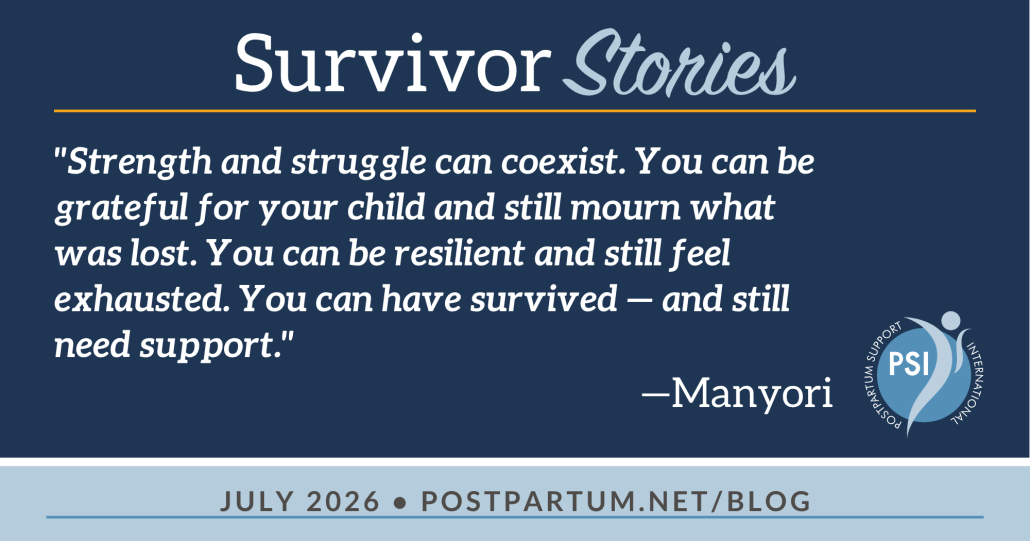
Strength and struggle can coexist.
You can be grateful for your child and still mourn what was lost.
You can be resilient and still feel exhausted.
You can have survived — and still need support.
A Gentle Reminder About Support
If any of the following feel familiar:
● Ongoing anxiety that interferes with daily life
● Intrusive fears that feel difficult to control
● Persistent sadness or emotional numbness
● Feeling disconnected from yourself or others
● Panic, irritability, or sleep disruption beyond newborn patterns
You deserve support.
Postpartum mood and anxiety disorders are common, treatable, and not a reflection of your strength or love.
Organizations like Postpartum Support International offer confidential resources, local provider directories, and support groups for parents navigating these experiences. Reaching out does not mean you failed. It means you are caring for yourself in the same way you care for your child.
Maternal mental health is not a luxury — it is foundational.
Moving Forward
The generation of mothers who gave birth during COVID-19 carried dual burdens: the transition into motherhood and the weight of collective uncertainty.
Babies were fed at 3 a.m. during lockdowns. They were rocked through press conferences. They were loved in a time of fear.
If that was you, your experience matters. Your story is part of maternal mental health history.
And if parts of it still feel heavy, you are not alone.
Support exists. Healing is possible. And your well-being is just as important as your child’s.
About the Author

Manyori Pinto, LCSW
Manyori Pinto, LCSW, is a licensed social worker specializing in maternal mental health and trauma-informed care. She provides psychotherapy in New Jersey and focuses on postpartum mood and anxiety disorders, identity transitions, and nervous system regulation in women. She is passionate about helping mothers feel understood, validated, and supported in their emotional journeys.
The views and opinions expressed in this blog are those of the author and do not necessarily reflect the official policy, position, or views of PSI, its leadership, employees, affiliates, or partners. Any content provided by the author is for informational purposes only and should not be construed as representing PSI’s official stance on any matter.
Explore these PSI Resources:
Tell Your Story
Get Help
Peer Support Groups
Subscribe to the PSI Blog

Connect by PSI
Download our free app “Connect by PSI” in your app store to access PSI support, resources, and information in the palm of your hand.


![“When it’s paired with healing, community, and action, [maternal rage] can become one of the most powerful forces for change.” When Maternal Rage Becomes Power 5 ways to turn your anger into advocacy – and make things better for the next mom. By Nancy Goh Kelly, MPH, Regular Contributor](https://postpartum.net/wp-content/uploads/2026/07/When-Maternal-Rage-Becomes-Power_Goh-Kelly.png)
